
Pakistan’s real estate sector has experienced remarkable growth over the past two decades, emerging as one of the most lucrative investment avenues in the country. With a population exceeding 240 million and rapid urbanization, understanding the different categories of real estate is essential for investors, buyers, and industry professionals.
This comprehensive guide explores the 5 categories of real estate in Pakistan, their characteristics, investment potential, and relevant examples.
1. Residential Property
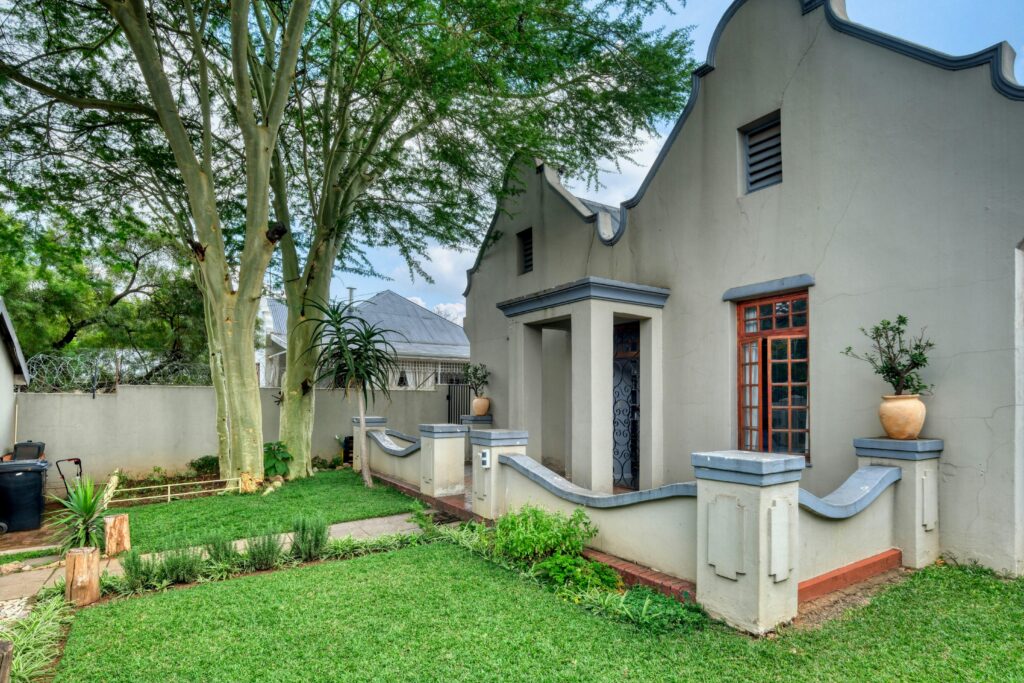
Residential real estate forms the backbone of Pakistan’s property market, accounting for the largest share of transactions and investments. This category encompasses all properties designed for people to live in, ranging from modest apartments to luxurious mansions.
Types of Residential Properties
Apartments and Flats: Multi-story buildings with individual units are increasingly popular in major cities. Examples include high-rise apartments in Karachi’s Clifton area, Lahore’s DHA Phase 8, and Islamabad’s F-10 and F-11 sectors. Modern apartment complexes like Emaar Canyon Views in Islamabad and Ocean Mall Residency in Karachi offer amenities such as gyms, swimming pools, and 24/7 security.
Houses and Bungalows: Single-family homes remain the preferred choice for many Pakistani families. These range from 5-marla houses (approximately 1,125 square feet) in middle-class neighborhoods to sprawling 2-kanal bungalows (1 kanal = 5,445 square feet) in elite areas like Lahore’s Gulberg and Model Town, or Karachi’s Defence Housing Authority.
Residential Plots: Many investors purchase undeveloped plots in housing societies with the intention of building custom homes. Popular examples include Bahria Town developments in Lahore, Karachi, and Islamabad, and DHA (Defence Housing Authority) phases across major cities.
Gated Communities: Secure, planned communities have gained tremendous popularity, offering modern infrastructure and community facilities. Examples include Bahria Town, DHA City, and Top City in various metropolitan areas.
Investment Considerations
Residential property values depend heavily on location, accessibility, security, and proximity to essential services like schools, hospitals, and shopping centers. The residential sector typically offers steady appreciation, with prime locations in Lahore, Karachi, and Islamabad showing annual growth rates of 10-20% in recent years.
2. Commercial Property
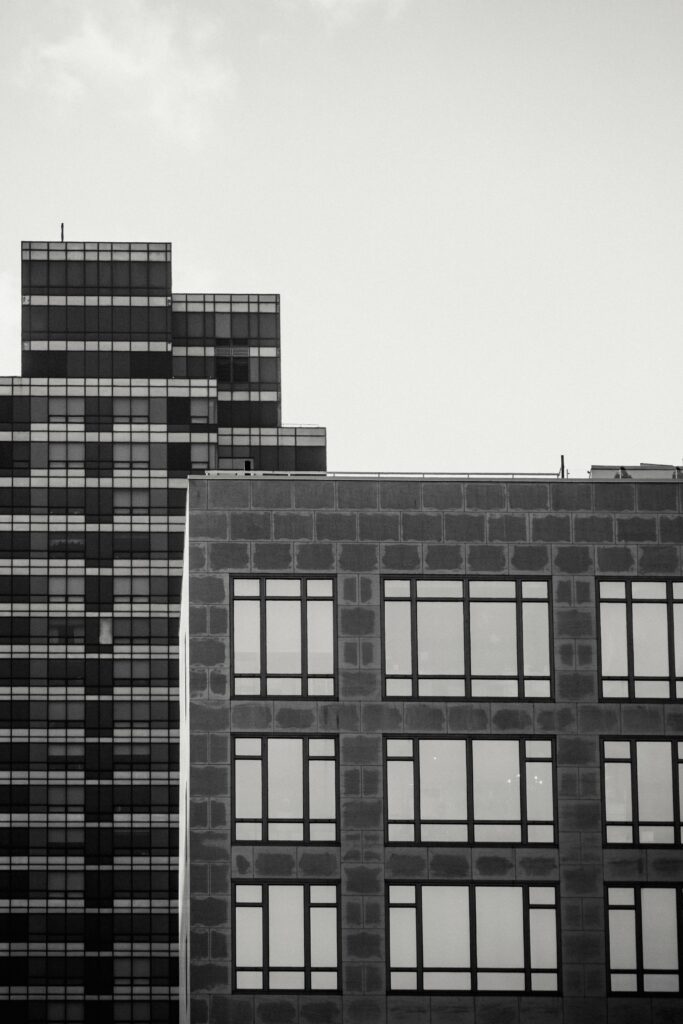
Commercial real estate consists of properties used for business and profit-generating activities. This category has shown robust growth alongside Pakistan’s expanding economy and entrepreneurial culture.
Types of Commercial Properties
Office Buildings: Corporate headquarters and office complexes are concentrated in business districts. Notable examples include the Centaurus Mall office tower in Islamabad, Arfa Software Technology Park in Lahore (Pakistan’s first information technology park), and numerous office buildings along Karachi’s I.I. Chundrigar Road, often called Pakistan’s Wall Street.
Retail Shops and Showrooms: Street-level shops in commercial markets remain highly valuable. Traditional markets like Anarkali Bazaar in Lahore, Saddar in Karachi, and Jinnah Super Market in Islamabad continue to thrive alongside modern developments.
Shopping Malls: Large-scale shopping centers have transformed retail culture in Pakistan. Prominent examples include Packages Mall and Emporium Mall in Lahore, Dolmen Mall and Lucky One Mall in Karachi, and Centaurus Mall in Islamabad. These malls combine retail, dining, and entertainment under one roof.
Hotels and Restaurants: The hospitality sector includes everything from budget hotels to five-star establishments like Pearl Continental, Serena Hotels, and Marriott properties across major cities.
Petrol Stations and Service Centers: These represent high-value commercial investments, particularly along major highways and in urban centers.
Investment Potential
Commercial properties typically generate higher rental yields (8-12% annually) compared to residential properties. However, they also require larger initial investments and may face vacancy risks. Prime commercial locations in city centers command premium prices, with shops in established markets often appreciating faster than residential properties.
3. Industrial Property
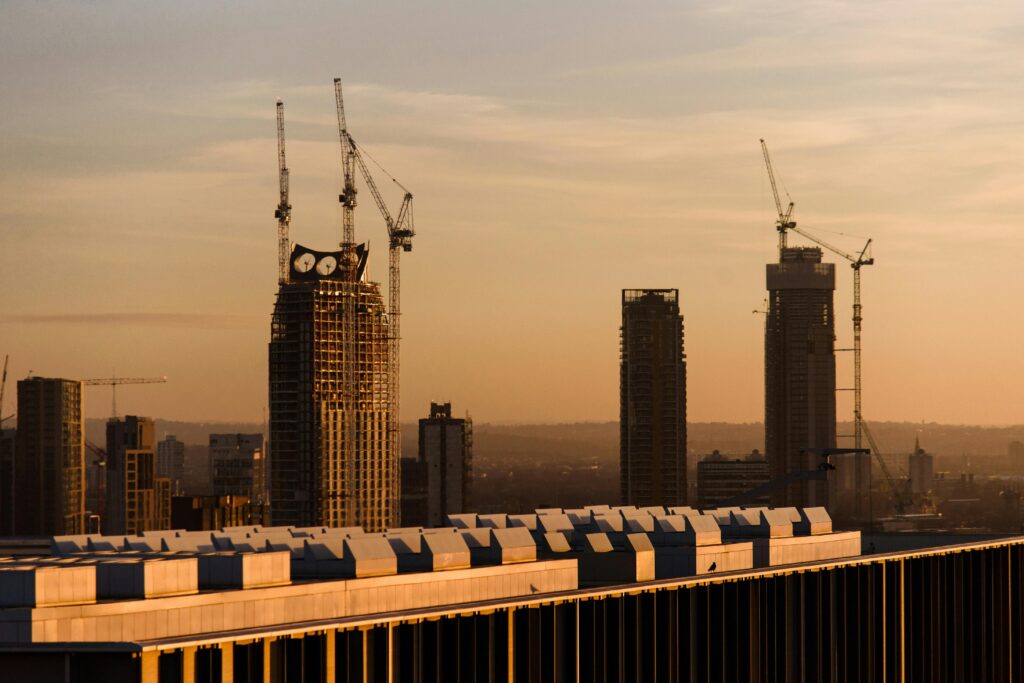
Industrial real estate serves Pakistan’s manufacturing sector and logistics operations, playing a crucial role in economic development.
Types of Industrial Properties
Manufacturing Units and Factories: These facilities house production operations across various industries including textiles, automotive, pharmaceuticals, and food processing. The Sundar Industrial Estate in Lahore, Korangi Industrial Area in Karachi, and I-9 Industrial Area in Islamabad host thousands of manufacturing units.
Warehouses and Storage Facilities: With the growth of e-commerce and supply chain operations, modern warehousing has become increasingly important. Companies like Daraz, TCS, and Leopards operate large warehouses near major cities.
Industrial Plots: Designated industrial zones offer plots for businesses to establish custom facilities. Examples include the Faisalabad Industrial Estate Area (FIEDMC), Port Qasim Industrial Area near Karachi, and Hattar Industrial Estate in Khyber Pakhtunkhwa.
Special Economic Zones (SEZs): The government has established SEZs to attract investment with tax incentives. Notable examples include Rashakai SEZ in Khyber Pakhtunkhwa, Allama Iqbal Industrial City in Punjab, and Dhabeji SEZ in Sindh.
Key Considerations
Industrial property values are influenced by proximity to transportation networks (highways, ports, airports), availability of utilities (electricity, water, gas), labor availability, and regulatory environment. The China-Pakistan Economic Corridor (CPEC) has significantly boosted industrial real estate development, particularly along transportation routes.
4. Agricultural Land
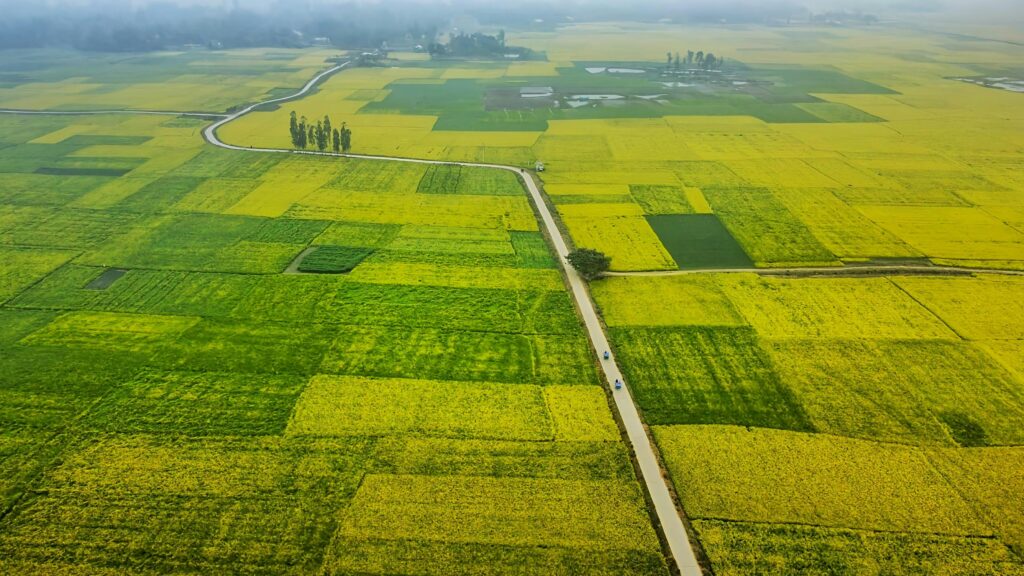
Despite rapid urbanization, agriculture remains fundamental to Pakistan’s economy, employing nearly 40% of the workforce. Agricultural real estate encompasses all land used for farming and related activities.
Types of Agricultural Properties
Cultivable Land: Fertile farmland in Punjab’s plains, Sindh’s irrigated areas, and Khyber Pakhtunkhwa’s valleys produces crops including wheat, rice, cotton, and sugarcane. Large agricultural estates in areas like Sahiwal, Multan, and the Indus River basin represent significant investments.
Orchards and Gardens: Fruit orchards are valuable properties, particularly in regions known for specific crops. Examples include mango orchards in Multan and Sindh, citrus orchards (kinnow) in Sargodha, and apple orchards in northern areas like Swat and Gilgit-Baltistan.
Farmhouses: Recreational farmhouses on agricultural land near cities have become popular among wealthy urbanites. Areas like Bedian Road and Raiwind Road near Lahore, Super Highway near Karachi, and Islamabad’s surrounding areas feature numerous farmhouses that blend agricultural land with luxury residences.
Livestock Farms: Dedicated dairy farms, poultry farms, and cattle ranches operate throughout the country, with concentrations in Punjab and Sindh.
Forest Land: Though less common in private ownership, forested areas in northern Pakistan have distinct investment characteristics.
Investment Dynamics
Agricultural land traditionally appreciates more slowly than urban property but offers lower entry costs and potential income from cultivation. However, land near expanding cities often transitions to residential or commercial use, creating significant appreciation potential. The development of agricultural land into housing schemes has been a common trend, as seen with Bahria Town and DHA developments that transformed agricultural areas.
5. Mixed-Use Property
Mixed-use developments combine multiple property types within a single project or building, representing modern integrated urban planning.
Characteristics of Mixed-Use Properties
Vertical Mixed-Use Buildings: These buildings feature different uses on different floors, commonly with retail or commercial spaces on ground floors and residential apartments above. This model maximizes land use in expensive urban locations. Examples include numerous buildings in Lahore’s MM Alam Road area and Karachi’s Tariq Road.
Horizontal Mixed-Use Developments: Large-scale planned communities that integrate residential, commercial, and recreational facilities. Bahria Town developments exemplify this model, featuring residential neighborhoods alongside commercial areas, educational institutions, hospitals, and entertainment facilities all within the same master-planned community.
Commercial Plazas: Multi-story buildings designed with shops on lower floors and offices above represent a common mixed-use format. These are prevalent in commercial areas of all major cities.
Prominent Examples
Centaurus Mall, Islamabad: This landmark project combines a shopping mall, office tower, and residential apartments (Centaurus Residences) in one complex.
Bahria Town Karachi: This massive development spans thousands of acres and includes residential plots and homes, commercial areas, hospitals, schools, parks, and entertainment facilities like Bahria Adventure Land.
Emaar Pakistan Projects: Developments like Canyon Views combine residential towers with commercial retail spaces and amenities.
Lucky One Mall, Karachi: While primarily a shopping destination, it includes office spaces and is part of a larger mixed-use vision.
Advantages of Mixed-Use Development
Mixed-use properties offer several benefits including convenience for residents, reduced transportation needs, enhanced community interaction, better land utilization, and diversified investment risk. For investors, mixed-use properties can generate income from multiple sources, reducing vulnerability to market fluctuations in any single sector.
Market Trends and Investment Considerations
Current Market Dynamics
Pakistan’s real estate sector has evolved significantly, driven by factors including population growth, urbanization, overseas Pakistani investment, and infrastructure development. Each category responds differently to economic conditions, with residential properties showing resilience during economic downturns, while commercial and industrial properties correlate more closely with business cycles.
Regional Variations
Karachi: As Pakistan’s economic capital, Karachi offers opportunities across all categories, with particular strength in commercial and industrial properties. Areas like Clifton, Defence, and Gulistan-e-Johar command premium prices.
Lahore: Known for its strong residential market, Lahore also features thriving commercial areas. DHA, Bahria Town, and Gulberg remain prime investment locations.
Islamabad-Rawalpindi: The capital region shows steady growth with strong demand for residential properties. Islamabad’s planned sectors and Rawalpindi’s expanding commercial areas offer diverse opportunities.
Emerging Cities: Cities like Faisalabad, Multan, Peshawar, and Gwadar present growth opportunities, particularly as CPEC projects enhance connectivity and infrastructure.
Legal and Regulatory Framework
Investors should consider important regulatory aspects including property documentation (freehold vs. leasehold), land use regulations and zoning laws, transfer taxes and capital gains tax, ownership verification through proper documentation, and provincial variations in property laws.
Conclusion
Understanding the 5 categories of real estate in Pakistan—residential, commercial, industrial, agricultural, and mixed-use—is essential for anyone looking to invest in or understand Pakistan’s property market. Each category offers distinct characteristics, risk profiles, and return potentials.
Residential property provides stability and consistent demand, commercial property offers higher yields with more volatility, industrial property serves the manufacturing sector with specialized requirements, agricultural land presents long-term appreciation potential and income generation, and mixed-use developments represent modern integrated planning with diversified income streams.
As Pakistan continues urbanizing and developing economically, particularly with infrastructure projects under CPEC and other initiatives, the real estate sector is positioned for continued growth. However, successful investment requires thorough research, understanding of local markets, proper legal due diligence, and alignment with individual financial goals and risk tolerance.
Whether you’re a first-time homebuyer, a seasoned investor, or a business owner seeking premises, recognizing these distinct categories and their unique dynamics will help you make informed decisions in Pakistan’s dynamic real estate market.

Leave a Reply